Stop Watching Every Monday Meeting the Same Movie
If your meeting repeats every week but nothing moves forward, it is not a series. It is a rerun.
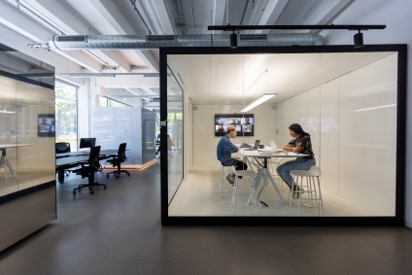
Meetings are a bit like movies. Some are worth watching. Some are necessary. Some are surprisingly good. And some feel like watching the same film every Monday morning: same cast, same dialogue, same ending, and still nobody knows why they were there.
If your meeting repeats every week but nothing moves forward, it is not a series. It is a rerun.
And people notice. They may still join. They may still open their laptops. They may still nod at the right moments. But somewhere in the background, they are asking the most expensive question in business culture: why am I here?
Every Meeting Needs a Plot
A good movie does not start with a group of people sitting in a room wondering what the story might become. A good meeting should not start that way either.
Before a meeting is scheduled, the organizer should be able to answer three simple questions: What are we trying to decide? What needs to change after this conversation? What would make this time worthwhile?
If there is no answer, there may be no meeting. There may be an email, a dashboard, a message, a document, or a short update. But not every piece of information deserves a full room, a full calendar slot, and a full cast of people pretending the plot exists.
The Cast Matters: Who Plays Which Role?
On a movie set, nobody is there by accident. There is a director, actors, camera crew, lighting, sound, production, editing, and sometimes extras. Everyone has a reason to be present.
In meetings, we often forget this. We invite people because they might need to know, might have an opinion, might feel excluded, might be useful later, or were in the previous version of the meeting and nobody dared to remove them.
But a useful meeting needs clear roles. Who facilitates? Who decides? Who brings expertise? Who challenges assumptions? Who records outcomes? Who only needs the summary afterward?
If someone has no role in the scene, do not make them sit on the set. Respecting people’s time is not exclusion. It is good design.
Do Not Miscast People
You would not expect a child in a movie to play the king unless that is the story. You would not ask the king to play the child unless that is the concept. Yet in business meetings, we often miscast people all the time.
We ask people to make decisions they are not empowered to make. We ask experts to sit quietly while non-experts debate technical details. We ask junior people to challenge senior strategy without creating the safety or structure to do so. We ask senior leaders to attend operational meetings where their only contribution is pressure.
The result is predictable: slow decisions, polite confusion, hidden frustration, and another meeting to discuss the meeting.
Good meeting culture means matching roles to knowledge, authority, and responsibility. If a person is expected to decide, they need the authority. If a person is expected to contribute, they need preparation. If a person is only expected to listen, ask whether they need to be there live.
A Meeting Without an Ending Is a Waste of Production Budget
Imagine leaving the cinema and nobody can explain what happened. The actors were there. The lights worked. The music played. There were dramatic pauses. But there was no conclusion.
You would probably say it was a waste of money.
The same applies to meetings. A meeting does not need to solve the entire business. It does not need to end with fireworks. But it does need an ending. A decision. A next step. An owner. A deadline. Or at least a clear statement that no decision was made and why.
Without this, the meeting becomes theatre without consequence. Everyone performed, but nothing moved.
Is This a Work Meeting or a Belonging Meeting?
There is another reason meetings become crowded, repetitive, and strangely emotional: sometimes they are not really work meetings. Sometimes they are belonging meetings.
People need connection. They need to be seen. Remote and hybrid work can make some colleagues feel isolated. Teams need trust, relationships, and informal moments. These needs are real, and leaders should take them seriously.
But hiding social needs inside work meetings is bad design. It makes work slower and connection less honest.
If the real need is connection, create connection intentionally: optional lunches, coffee chats, walks, learning circles, sports, community formats, or after-work moments. Make them human. Make them voluntary. Do not pretend a status meeting is team bonding just because people are in the same room.
Work meetings should protect work. Social formats should protect choice. When you separate the two, both become healthier.
A Simple Meeting Culture Test
Before sending the next invite, ask:
· What is the plot of this meeting?
· What decision, alignment, or output should exist by the end?
· Who really needs to be in the room?
· What role does each person play?
· Could this be handled asynchronously?
· How will we capture the conclusion?
· Is this actually a work meeting, or are we trying to solve a belonging need?
Final Scene
Not every meeting is bad. Some meetings are the place where strategy becomes action, problems become decisions, and people become aligned. But those meetings are designed. They have a purpose, the right cast, clear roles, and a meaningful ending.
So before you schedule the next Monday meeting, ask yourself: are we creating the next useful episode, or are we forcing everyone to watch the same movie again?
If the scene has no plot, no role, and no ending, do not put it on the calendar.
At the same frequency?
If this case resonates, let's talk about your next chapter.